The New Bali Airport Baggage System (2025)
The New Bali Airport Baggage System (2025)
Security lines at Bali Airport are now 50% shorter. The Bali airport baggage system changed in mid-2025, and travelers immediately felt the difference. Instead of screening everything at one bottleneck, checked bags move through inline inspection right after check-in.
Departing: Check in your bags → inline baggage inspection → security screens carry-on only → gate. Done in minutes.
Arriving: Immigration → baggage carousel → customs QR scan → exit. Trolleys and porter assistance are available throughout.
Ready? Let’s start with what changed in 2025 and why it finally works.
What Actually Changed in The New Bali Baggage System 2025
In June 2025, Bali Airport began adjusting how baggage inspection happens. By July and August, the new baggage check system rolled out across terminal buildings, and international passengers immediately noticed something: the lines got way shorter.
Here’s why. The airport removed entrance X-ray scanners that used to screen everything coming into the terminal. Now, checked baggage checks happen right after you hand them to airline staff at the check-in counter through an inline inspection process. You don’t have to take it to a separate security measure checkpoint. It moves automatically.
When you head to security, airport security screens only your cabin baggage and carry-on luggage, not your checked baggage, because the baggage inspection already happened. This simple shift means one fewer bottleneck and reduces interaction points significantly. People who used to spend 20 or 30 minutes waiting their turn now move through in about 10.
The timing reflects international aviation safety standards and the national aviation security program requirements. This change wasn’t random. It happened during the slower travel season in Bali (June is typically quieter before school breaks), so the airport team could test the new baggage systems without overwhelming staff.
From a security perspective, the new baggage inspection process actually strengthens flight safety. Instead of rushing through X-ray machines at a single checkpoint, the inspection happens methodically after check-in, allowing airport and airline staff time to detect dangerous objects and verify compliance with flight rules.
Before You Fly: The Baggage Rules You Actually Need to Know
Every airline has different baggage allowances and fees. Before you pack a single item, check your airline’s website; they spell out exactly how much you can bring, what sizes your bags need to be, and what they’ll charge if you go over. Bali Airport doesn’t decide this; it’s your airline’s call.
Bali has some specific items that deserve attention, especially when considering security measures regulated by international aviation safety standards.
- Power banks and batteries are restricted on checked baggage (they can start fires mid-flight), so pack those in your hand luggage.
- Aerosols, spray deodorant, sunscreen, hair spray, also belong in carry-on luggage only, and you’re limited to a certain amount.
- Electronic cigarettes are similarly restricted. If you’re bringing spices, sauces, or other liquids, keep them under 100 milliliters total in a clear bag for your cabin baggage, or pack them in checked baggage.
- Sports equipment like surfboards, diving gear, and scuba tanks need airline pre-approval before being transported. The same goes for anything fragile or oversized.
Call or email your airline at least 48 hours before your flight to avoid carrying prohibited items and ask about fees.
For packing smartly, remember that the new baggage screening system is fast, but it helps to cooperate. Pack your cabin baggage so anything liquid or suspicious (sunscreen, lotion, liquids) is easy to pull out at the passenger security checkpoint. Shoes, belts, and light jackets usually go through fine, but electronics larger than a phone should come out. If you’ve got a laptop, have it ready. The faster you move through, the faster everyone does.
Here’s the exact flow once your plane lands and you walk out into the Bali heat.
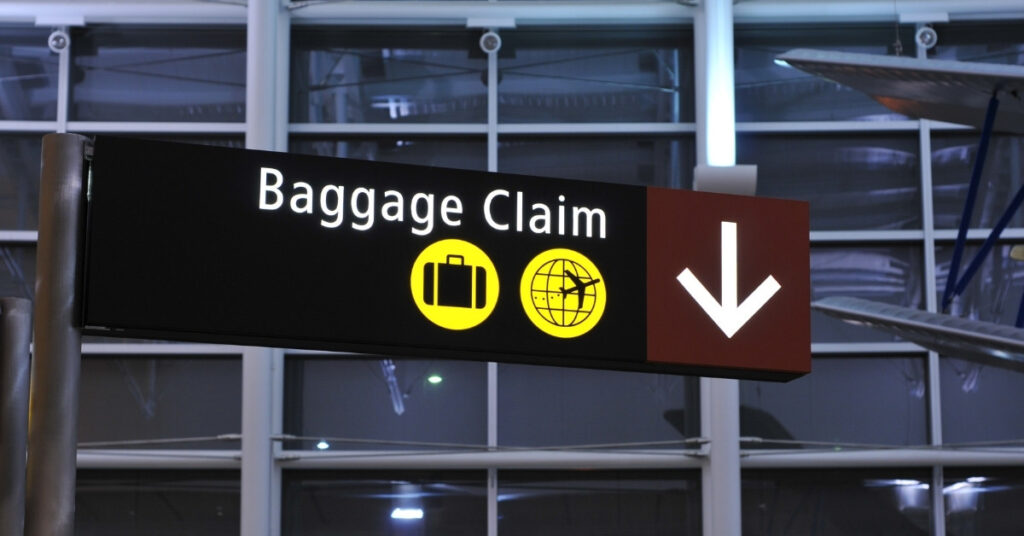
First, you’ll clear immigration. If you haven’t already, fill out your All Indonesia form before you land; it’s required for entry and customs. Then follow the signs to baggage claim.
The baggage carousels have giant digital screens above them that show which carousel your flight’s luggage inspection and claim area will be at. Watch these screens; they update constantly, and some flights shift carousels at the last minute. Your airline also announces it over the speaker system, but the screens are your backup. Find the right one and wait. Bags usually take 15 to 30 minutes to arrive, depending on how many flights landed right before yours.
Here’s where trolleys and porters come in. Trolleys are free and everywhere throughout the airport terminal; grab one near the baggage claim area. Porters (people who’ll carry your bags for you) also hang around the baggage hall.
The Bali Airport website lists the standard rate as IDR 10,000 per bag (about USD 0.60). In practice, travelers commonly add an additional tip of IDR 10,000–20,000 per bag, and some give IDR 20,000–50,000 for heavier loads or extra help.
Before a porter touches your bags, agree on a price. Get their porter number (they wear badges) so you have a reference if anything goes wrong. Never hand over cash until the job is done.
If your bag is huge or you’ve got something fragile, there’s usually a separate pickup point for oversized or delicate items in the airport buildings. Staff members near the baggage carousels can point you there, or look for signage in the baggage hall.